Best Brand Design Agencies With AI-Powered Workflows (2026 Deep Analysis)
Brand design has entered a new phase.
For decades, branding agencies relied purely on manual research, brainstorming sessions, and iterative design cycles that could take months before a final brand system was approved.
But in the last few years, a new category of agencies has emerged: AI-powered brand design agencies.
These teams combine human creative strategy with intelligent tools that can:
generate hundreds of logo concepts in minutes
test visual directions using predictive audience data
automate asset production across dozens of platforms
maintain brand consistency using AI-assisted design systems
The result is not just faster branding — it’s data-augmented creativity.
When I started researching agencies using AI in their workflow, I noticed something interesting: many agencies claim to use AI, but only a few actually integrate it deeply into concept development, asset production, and campaign scaling.
These agencies differ significantly in pricing models, AI stack sophistication, and production pipelines, which is why selecting the right one depends heavily on your company’s stage and goals.
AI Workflow Efficiency Calculator
Companies that run large marketing campaigns across many channels.
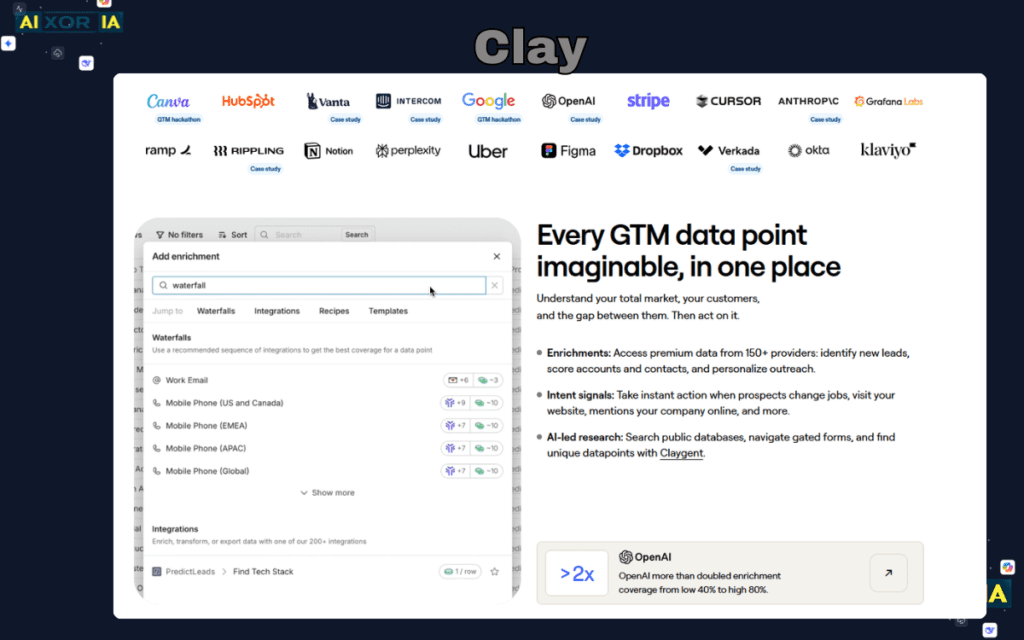
Clay is widely recognized in the product design world.
While many agencies focus on logos and brand guidelines, Clay specializes in product-driven branding, where brand identity is tightly integrated with digital experiences.
AI-assisted product branding
Clay integrates AI into:
UX research analysis
interface pattern prediction
rapid prototype generation
Instead of manually testing dozens of interface concepts, AI tools can analyze design patterns and suggest layouts likely to perform well with users.
Real design workflow insight
When working on complex digital platforms, Clay designers often test multiple interaction models before finalizing UI behavior.
AI-assisted prototyping helps simulate how users might navigate an interface, allowing designers to identify usability issues earlier in the design cycle.
Strengths
deep product design expertise
strong UX research integration
advanced interaction design
Best fit
Enterprise companies building digital platforms, SaaS products, or large apps.
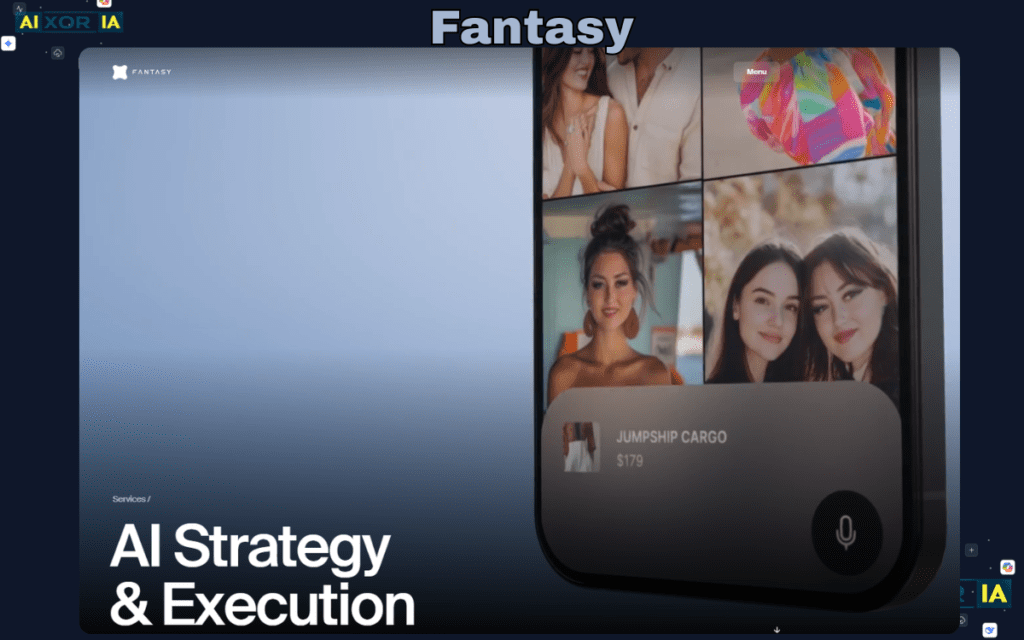
Fantasy focuses on future-oriented digital experiences.
Their projects often blend branding, immersive interfaces, and advanced technology.
AI in creative exploration
Fantasy uses AI tools primarily in early concept development.
These systems help generate:
experimental visual directions
spatial interface ideas
futuristic interaction models
Designers then refine these ideas into polished brand experiences.
Observed creative approach
Unlike agencies focused on marketing output, Fantasy often treats branding as a storytelling system.
AI becomes a creative partner during the exploration stage, enabling designers to test visual directions that might be difficult to imagine through manual sketching alone.
Strengths
visionary design concepts
strong storytelling and art direction
advanced digital experience design
Best fit
Global brands looking for high-impact digital identity systems.
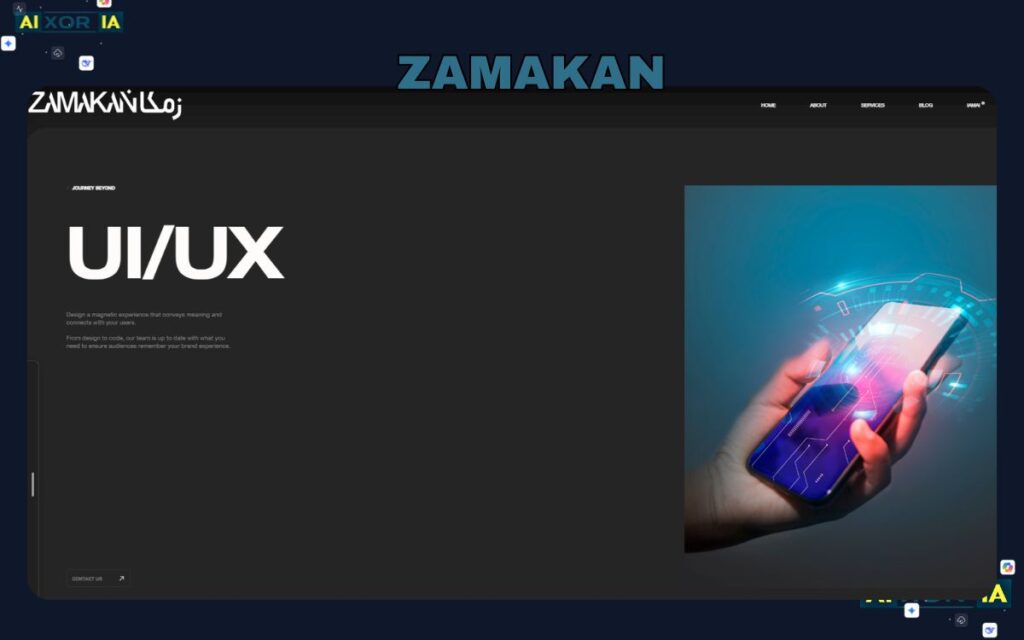
ZAMAKAN combines branding with marketing intelligence.
Rather than focusing purely on visual identity, the agency integrates AI tools that analyze how branding performs in real marketing campaigns.
AI-driven campaign analysis
Their workflow includes systems that monitor:
engagement metrics
campaign reach
audience sentiment
These insights help brands refine their identity and messaging based on real performance data.
Practical advantage
Instead of launching a brand identity and waiting months to see results, AI-powered analytics can reveal which brand elements resonate most with audiences.
Strengths
data-driven branding decisions
strong digital marketing integration
performance analytics
Best fit
Companies focused on growth marketing and brand performance tracking.
How Much Does an AI-Powered Branding Agency Cost in 2026?
Pricing varies widely depending on the agency and project scope.
However, several pricing trends have emerged.
Traditional branding agencies
Traditional agencies often charge project-based fees.
Typical pricing:
$20,000 – $80,000 for brand identity projects
$100,000+ for large enterprise rebrands
These projects usually include research, visual identity design, and brand guidelines.
AI-powered agencies
Many newer agencies use subscription or retainer models.
Typical pricing:
$1,500 – $5,000 per month for startup design subscriptions
$5,000 – $20,000 per month for high-volume creative teams
Because AI accelerates asset production, agencies can deliver more output within a fixed monthly capacity.
How AI Actually Changes the Branding Process
To understand the real impact of AI in branding, it helps to look at how the traditional process worked.
Traditional branding workflow
Market research
brainstorming sessions
sketch concepts
design iterations
client revisions
final identity system
This process could easily take 8–16 weeks.
AI-augmented branding workflow
With AI tools integrated, the process becomes faster:
AI-assisted market pattern analysis
automated concept generation
rapid design variation testing
human creative refinement
automated asset production
This hybrid workflow often reduces brand development timelines to 3–6 weeks.
Core AI Tools Used by Modern Branding Agencies
Many agencies integrate tools that enhance different stages of design.
Common categories include:
Generative image systems
Used to explore visual styles and brand concepts.
AI-assisted design platforms
These help automate layout adjustments and asset resizing.
predictive analytics tools
Used to test branding performance across audiences.
brand asset automation systems
These maintain consistency across large marketing campaigns.
Why Human Designers Still Lead the Process
Despite the rise of AI tools, branding remains fundamentally a human-driven discipline.
AI excels at:
generating variations
analyzing patterns
automating repetitive tasks
But humans still lead:
brand strategy
storytelling
emotional design decisions
The strongest agencies use AI not as a replacement for creativity, but as a multiplier for creative exploration.
Final Thoughts
Branding is evolving from static visual identity design into a dynamic, data-driven creative system.
The most effective agencies today combine:
strategic human creativity
AI-powered workflow automation
real-time marketing insights
This combination allows brands to launch faster, experiment more, and maintain consistency across an ever-expanding digital ecosystem.
As AI design tools continue to mature, agencies that successfully integrate them into their creative pipelines will likely define the next generation of brand design.
1 thought on “Best Brand Design Agencies With AI-Powered Workflows (2026 Deep Analysis)”
1 thought on “Best Brand Design Agencies With AI-Powered Workflows (2026 Deep Analysis)”