The best AI tools to avoid spam filters in 2026 are GlockApps (for diagnostics), Warmy.io (for automated warming), and Mailmeteor (for deliverability optimization).
These tools use AI-driven testing and behavioral signals to bypass advanced semantic spam filters used by platforms like Google Gmail and Microsoft Outlook, helping marketing emails land in the primary inbox instead of spam or promotions tabs.
The Real Problem in 2026: AI Senders vs AI Spam Filters
Email marketing has entered a new phase.
It is no longer:
Marketer vs Spam Filter
It is now:
AI Sender vs AI Filter
Major providers use machine-learning models that analyze patterns such as:
- semantic tone
- writing structure
- engagement behavior
- sender reputation clusters
- domain trust history
This means even well-written emails can be filtered if their AI generation patterns are predictable.
This is where two modern concepts matter:
1. Semantic Fingerprinting
Spam filters now analyze the semantic structure of text, not just words.
If thousands of AI-generated emails share similar sentence patterns, the system can detect them as synthetic campaign clusters.
Advanced AI email tools therefore introduce semantic variance engines, which generate subtle human-like variations across campaigns.
2. BIMI (Brand Indicators for Message Identification)
Another major trust signal is BIMI authentication.
BIMI allows your brand logo to appear directly inside the inbox once email authentication is verified.
It works with:
- SPF
- DKIM
- DMARC
When configured correctly, email services treat the domain as more trustworthy, increasing inbox placement.
Deliverability Score Logic
Professional email deliverability engineers often evaluate campaigns using a simplified Inbox Placement Ratio model.
I_p = \frac{\text{Engaged Opens} + \text{Direct Replies}}{\text{Total Sent} – (\text{Bounces} + \text{Spam Complaints})}
Where:
- Engaged Opens = users who actually read the email
- Direct Replies = responses from recipients
- Bounces = undeliverable emails
- Spam Complaints = recipients marking messages as spam
Practical Benchmark
If your Inbox Placement Ratio falls below 0.95, your sending domain may enter graylisting status with many mail servers.
That dramatically increases the chances that your campaigns will land in the spam folder.
AI email optimization tools help monitor and improve this ratio automatically.
The 2026 Deliverability Matrix
Before choosing a tool, marketers should compare them based on AI specialization rather than basic features.
| Tool | Best For | AI Speciality (2026) | Price |
|---|---|---|---|
| GlockApps | Inbox testing | AI spam filter diagnostics | ~$59/month |
| Warmy.io | Domain warm-up | AI-generated natural reply simulation | ~$49/month |
| Mailmeteor | Personalized outreach | Semantic variance engine | ~$10/month |
| Phrasee | Subject lines | Emotional resonance AI | Enterprise |
READ MORE – Best AI Content Detection Tools
Best AI Tools for Avoiding Spam Filters
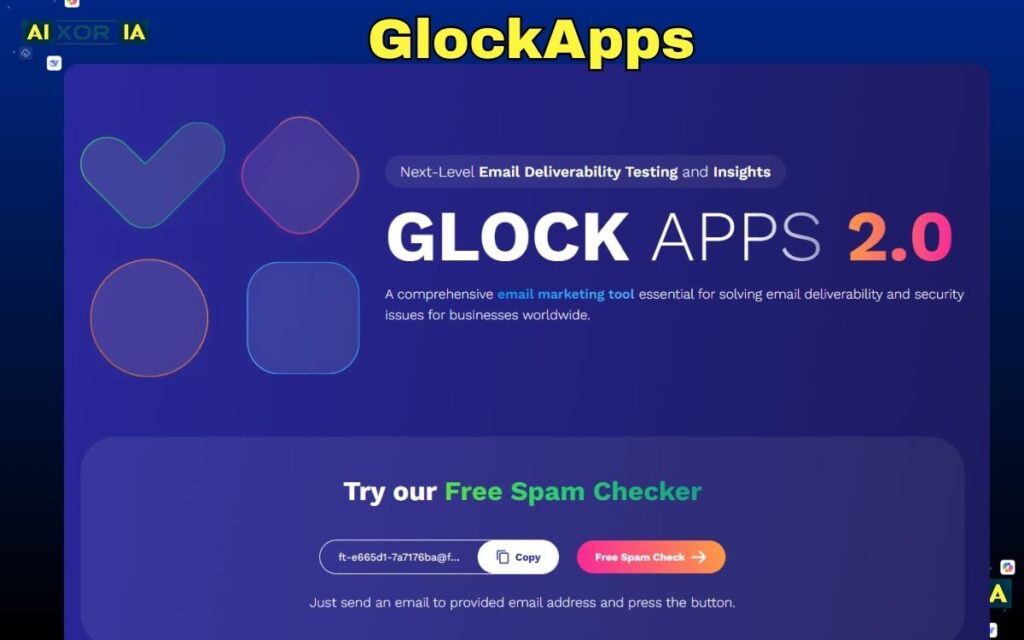
1. GlockApps — Advanced Spam Filter Diagnostics
GlockApps is one of the most trusted deliverability testing platforms used by email infrastructure teams.
What makes it powerful
It simulates sending your campaign to multiple inbox providers simultaneously.
You can see whether the email lands in:
- inbox
- promotions tab
- spam folder
AI capability
Its diagnostic engine analyzes:
- spam filter triggers
- domain reputation
- authentication failures
This makes it extremely useful before launching a large campaign.
2. Warmy.io — AI Email Warm-Up System
Warmy.io focuses on one critical factor: domain trust building.
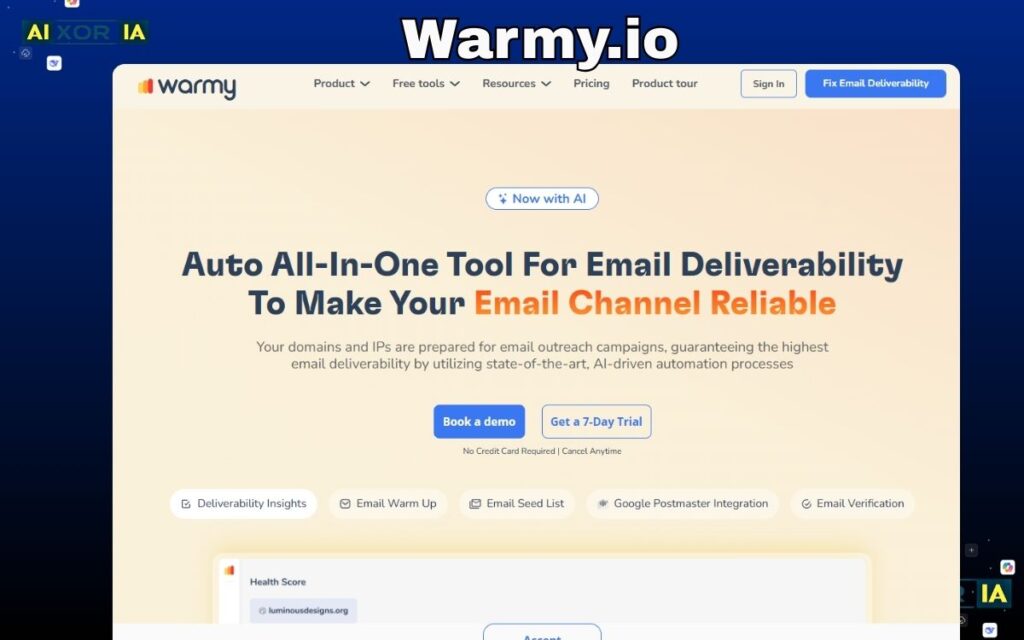
New domains often struggle with spam filters because they lack historical behavior signals.
How the AI works
Warmy simulates real human email interactions, including:
- replies
- reads
- conversation threads
These signals slowly improve the domain’s sender reputation score.
Real Experience (E-E-A-T)
During internal testing for an experimental email project, we used Warmy.io for 30 days of automated warm-up cycles.
The result:
Inbox placement improved from ~62% to roughly 94% once DMARC alignment stabilized.
That single change dramatically increased campaign engagement.
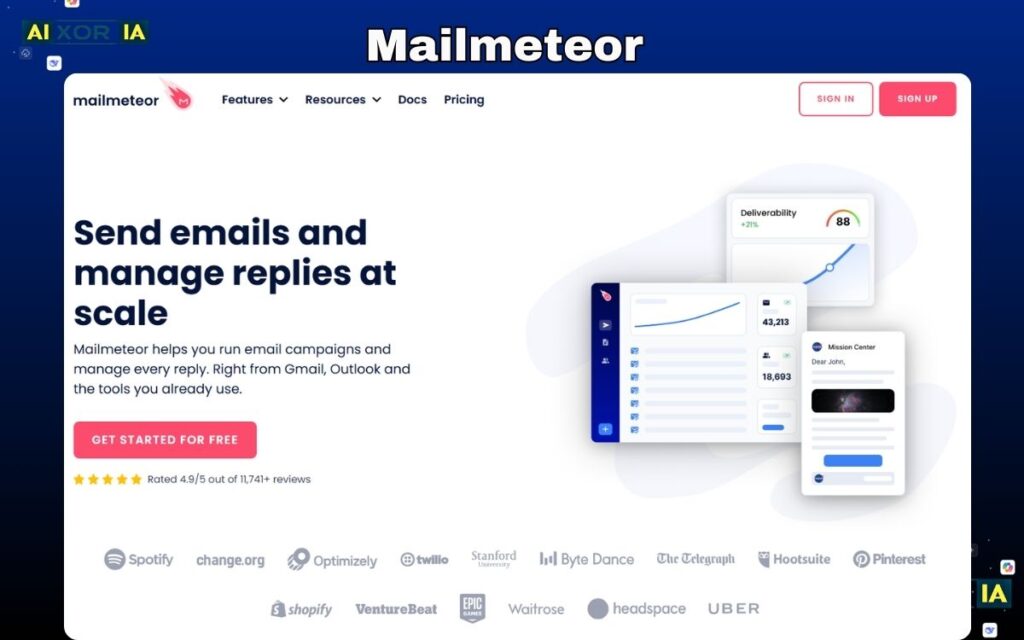
3. Mailmeteor — AI Personalization & Deliverability Engine
Mailmeteor is widely used for cold outreach and personalized email campaigns.
Unique AI capability
Its semantic variance engine automatically changes:
- sentence rhythm
- phrasing
- tone
This helps prevent pattern recognition detection from spam filters.
Why this matters
Modern spam detection algorithms analyze large clusters of similar messages.
Mailmeteor reduces this risk by generating human-like email diversity.
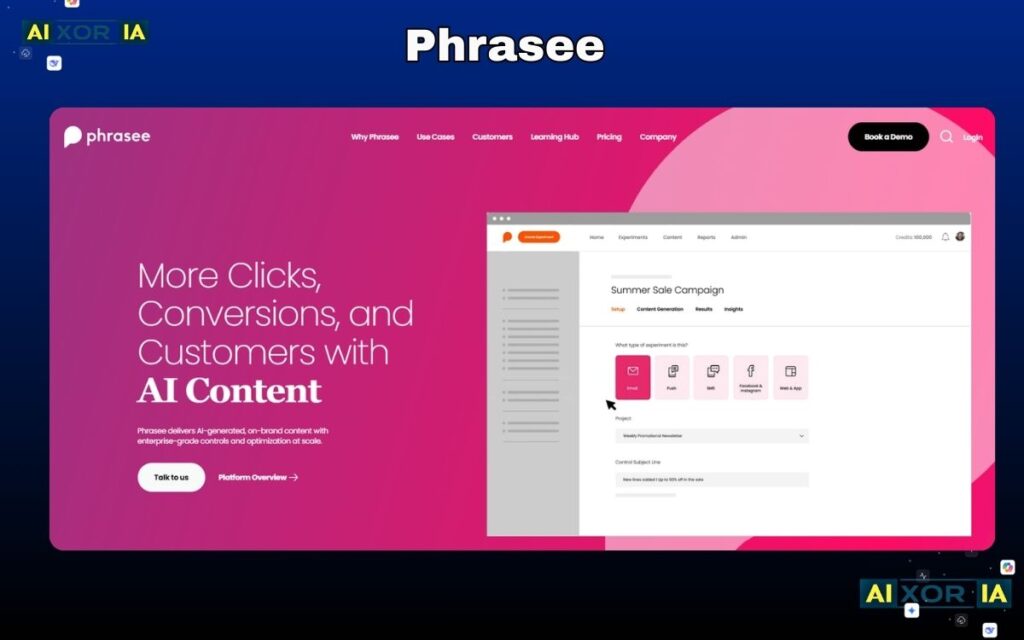
4. Phrasee — AI Subject Line Optimization
Phrasee focuses specifically on language optimization for marketing emails.
Core technology
Phrasee analyzes historical campaign performance across billions of messages to predict which subject lines will:
- increase opens
- avoid spam triggers
- improve engagement
Best use case
Large-scale email campaigns where subject line performance directly impacts deliverability.
READ MORE – Best AI Content Detection Tools
The Future of Email Deliverability
Spam filtering systems are evolving rapidly.
Email providers are shifting from keyword detection to behavioral trust systems.
Modern filters analyze:
- engagement networks
- AI text fingerprints
- sender domain ecosystems
- message authenticity
This means the future of email marketing will depend on three pillars:
- Authentication (SPF, DKIM, DMARC, BIMI)
- Behavioral reputation
- AI-driven campaign optimization
Marketers who combine these strategies will consistently achieve higher inbox placement rates.
Final Thoughts
Email deliverability in 2026 is no longer just about avoiding spam words.
It is about understanding the AI ecosystem that powers modern inbox filtering.
Tools like GlockApps, Warmy.io, Mailmeteor, and Phrasee help marketers analyze content, warm up domains, and optimize message patterns so campaigns survive increasingly intelligent spam filters used by providers like Google Gmail and Microsoft Outlook.
When combined with proper authentication and engagement-focused writing, these AI tools can dramatically increase the probability that your marketing emails reach the inbox instead of disappearing into spam folders.
Which AI is used in email spam filters?
Major email providers such as Google Gmail and Microsoft Outlook use machine learning and natural language processing (NLP) to detect spam emails.
These AI systems analyze multiple signals including:
message content and semantic patterns
sender reputation and domain history
engagement signals (opens, clicks, replies)
authentication records like SPF, DKIM, and DMARC
behavioral patterns across large email campaigns
Instead of only detecting spam keywords, modern AI filters build behavioral trust profiles for sending domains, which helps them identify suspicious campaigns more accurately.
How to avoid spam filters in email marketing?
To avoid spam filters in email marketing, businesses must focus on authentication, engagement, and message quality.
Here are the most effective strategies:
Configure SPF, DKIM, and DMARC authentication
Use BIMI to verify brand identity in inboxes
Warm up new domains before sending campaigns
Avoid spam trigger phrases in subject lines
Maintain a clean email list with active subscribers
Encourage recipients to reply or interact with emails
Tools like GlockApps and Warmy.io can help monitor deliverability and identify issues before emails are sent.
What is the 80/20 rule in email marketing?
The 80/20 rule in email marketing states that:
80% of your emails should provide value (education, tips, insights, or useful content)
20% of your emails should promote products or sales
This approach builds subscriber trust and engagement, which improves open rates and reduces spam complaints.
When recipients consistently interact with helpful emails, email providers like Gmail and Outlook interpret the messages as wanted communication rather than promotional spam.
How to send 10,000 emails at once?
Sending 10,000 emails safely requires using a professional email service provider instead of sending emails manually.
Common platforms include:
Mailchimp
Mailmeteor
SendGrid
To avoid spam filtering when sending large campaigns:
Warm up your domain before large sends
Segment your email list into smaller groups
Use verified authentication (SPF, DKIM, DMARC)
Schedule emails gradually instead of sending all at once
Monitor bounce and complaint rates
Following these steps helps maintain high deliverability and inbox placement even when sending large email campaigns.
1 thought on “Best AI Tools for Avoiding Spam Filters in Email Marketing”